Contact us to discuss your plans or book your free consultation today: 987.654.3210
-
How Are Broken Or Chipped Tooth Repaired?
Mar 20, 2023
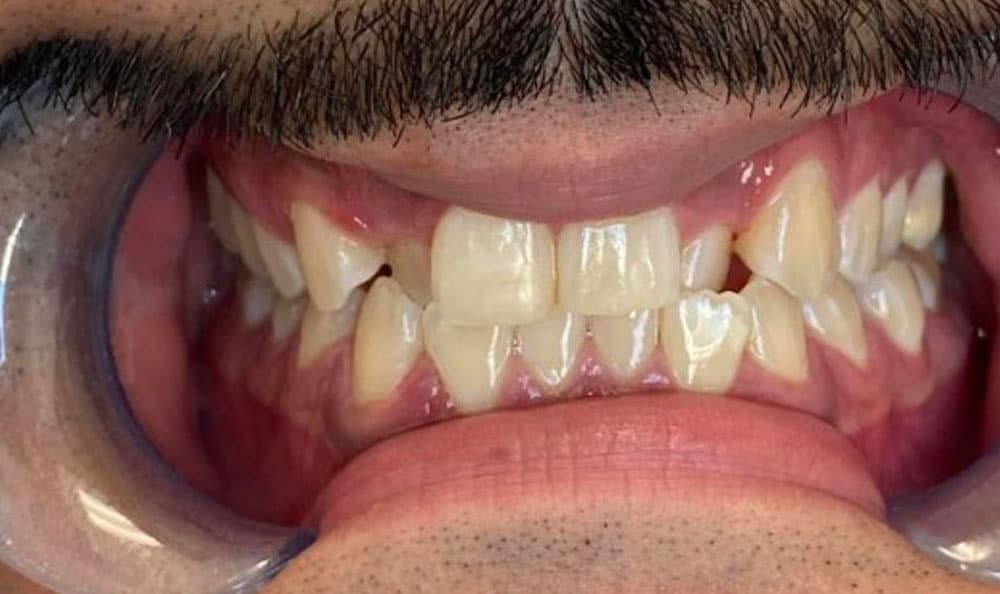
Do you have a chipped, cracked, or broken tooth? Teeth damage can occur for many reasons; you had a fall or bite mishap. However, the enamel that covers your teeth is the strongest tissue in your body, but it has limits. It can still break or chip.
If you have a broken or chipped tooth, there is no need to worry. There are many options to Fix Chipped Tooth, and your dentist will fix them with the best option for you.
Why Is a Dental Crown Needed For broken Teeth?
If you have a broken tooth or tooth decay, your dentist will file the affected area of the tooth, and then the crown comes. After removing the tooth decay, the dentist will use the crown to cover the teeth, keep them safe from infection, and improve their appearance. Your dentist will place the Temporary Crown on your teeth until the permanent one is ready. They are made from porcelain, composite resin, or ceramic. All the materials have different benefits.
The dentist may perform root canal therapy and implant a pin or a post in the canal, then build up enough of a framework on which a crown can be created if the whole top surface of the tooth is broken off but the root is still undamaged. The crown can then be attached to the hook or post-retained restoration by the dentist.
Typically, a dental crown needs two visits to the dentist, and your dentist will take X-rays to examine the tooth roots and bone.
If there is no other problem, your dentist will numb the surrounding area of the tooth and remove the impacted part of the tooth to make space for the crown. If the tooth has a large amount of chipping, the dentist will use a filling material to fix it so it can hold the crown.
After making the chipped tooth filling and putting it to make an impression of the tooth, place the crown. The dentist sends the impression to the dental lab to create the crown.
How to take care of a Chipped or Broken Tooth?
If you have a chipped or broken tooth, contact your dentist and visit as soon as possible. If left untreated, it can cause the teeth more damage and become more infected, or you may lose your teeth.
Therefore, until your appointment, the following self-care measures you should take;
- If you have a painful tooth, take acetaminophen or another over-the-counter pain reliever or ask your dentist. Take salt water and rinse your mouth with it.
- Suppose the broken tooth has a sharp edge that can hurt your tongue. You can cover it with wax paraffin or sugarless chewing gum until you visit your dentist.
- If you are hungry and can’t chew, you must eat soft foods and avoid biting down on the broken tooth.
Once you visit your dentist, your dentist will see how much your teeth have chipped and broken and how severely it is damaged. Depending on your case. If you have severe damage to the teeth, the more Chipped Tooth Repair Cost the procedure will be.
In Conclusion:
Call Emergency Dentist Near Me Open Now if you need a repair for your chipped or broken teeth, and book an appointment!
Article Source : https://www.gohealthtips.com/how-are-broken-or-chipped-tooth-repaired/
-
Why Do Dentists Employ Dental Implants?
Feb 24, 2023
Dental implants support restorations for missing teeth, acting as replacement tooth roots and reducing or halting jaw bone erosion. While considered a prosthetic dental procedure, implantation is also considered an aesthetic dental procedure. People with missing teeth could have trouble smiling or speaking. Additionally, the irregularities in biting caused by tooth loss can severely impact eating patterns, leading to other health problems like malnutrition.
Affordable Dental Implants replace missing tooth roots, giving clients the strength and stability required to consume all the foods they love without having to strain to chew. They also enhance facial support and stop bone deterioration by preserving and promoting jaw bone.
What happens before the dental implant procedure?
Before considering a dental implantation procedure, Dental Implant Specialist Near Me suggests treating or managing any underlying oral health issue. Some common dental health issues like tooth decay and periodontal disease can make dental implant treatment less effective. You better quit or stop smoking cigarettes, as smokers risk treatment failure more than non-smokers. Smoking harmfully affects osseointegration, a process by which dental implants hold onto the jawbone.
What is the procedure for implant placement?
After drilling the initial pilot hole into the right jaw site, it is gradually expanded to allow the insertion of the implant screw. Once the implant is positioned, the gum tissue around it is fastened over it. A cover screw serves as protection while osseointegration takes place. Your Dental Implants Houston dentist will reveal the implant and insert an abutment following up to six months of recovery. The abutment could occasionally be fastened during the initial Dental Implant Procedure.
Your dentist will construct a temporary or final crown when the abutment is set up. Dentists for Dental Implants Near Me may occasionally create the final crown the same day the abutment is inserted. If necessary, the temporary crown acts as a template around which the gum develops and takes on a natural shape. The procedure is over when the temporary crown is swapped out for a permanent one.
How to recover from dental implant surgery?
One of the factors affecting dental implant healing is the several procedures required to complete your treatment. But it is generally agreed that maintaining strict oral hygiene habits after implant placement helps to ensure the best possible integration with bone structure. Treatment failure may occur from neglecting to brush and floss, which can also happen if the implant and its surrounds need to be carefully cleaned.
After implant procedures, you should avoid smoking because it is also associated with higher failure rates. It will be essential to clean any temporary restorations that were attached to the implant as you would your natural teeth to encourage the best healing and fusing possible.
You won't feel much discomfort after the initial surgical procedure. Still, you can expect some swelling on your face and gums, as well as bleeding and bruising of the implant site. If you have discomfort or pain after the implantation procedure, your dental expert may advise you to use prescription medicines. Following surgery, your diet should only include soft meals for five to seven days.
Conclusion
The above-provided details and information will help you learn some beneficial things regarding dental implants. For a deeper dive into dental implants, please visit emergencydentistinhouston.com.
Article Source : https://www.wellbeingcares.com/why-do-dentists-employ-dental-implants/
-
To prevent your smile from being affected, dentists today would likely suggest tooth-colored composite fillings if you need to repair the Cavity On Front Tooth. However, since metal fillings are the most durable, you might be concerned about how long the filler will stay in the cavity to safeguard your tooth. Front tooth cavity filling requires minimal tooth structure removal and readily attaches to your tooth enamel when repairing your teeth. Like metal fillings, composite fillings don't expand or corrode, which makes them advantageous.
However, compared to metal tooth cavity filling, which can last over ten years, their lifespan is much shorter, lasting about five to seven years. The durability of these tooth-colored fillings mostly depends on your oral hygiene regimen, where they are positioned in your mouth, what you consume, and behaviors like bruxism. Composite fillings, on the other hand, will protect your tooth if you follow your dentist's recommendations and take care of the fillings.
How to identify and treat cavities in front teeth?
Experts at emergency dentistry suggest visiting the dentist every six months because you might not be aware that you have a cavity. The best action is to visit your dentist as soon as you find a cavity on a front tooth; deterioration should be okay. If you pay attention to the color of your teeth, you can notice how decay progresses from white spots to light brown or grey teeth.
To avoid a tooth turning dark brown or black at that stage, seek dental care. You or your child could also feel pain or be sensitive to cold, heat, or sweets. Dentists will extract the decayed section of the tooth and fill the cavity with a robust restorative material to cure cavities in the permanent front teeth.
Treating cavities in front teeth with fillings
Cavities in the front teeth can be treated the same as other cavities, typically referring to a filling. The dentist would usually choose porcelain or composite Front Tooth Filling as the filling material due to its prominent location in the mouth. They can produce these materials to match the color of the rest of the tooth, in contrast to amalgam fillings that are gold or silver.
A veneer covers the entire front of the tooth. It involves slightly more intrusion than fillings, and the dentist at Emergency Dentistry Near Me creates a hole for the filling where the cavity is. They remove a significant amount of enamel from the entire front surface of the tooth to prepare it for a veneer before cementing it.
Does it hurt after having a front tooth filling?
Your tooth may feel unpleasant or sensitive for one or two days following the operation. Mild discomfort is typical and ought to last just briefly. Inform your dentist immediately if you have severe pain or detect any swelling or pus. It could indicate the presence of an infection or the requirement for extra care, such as a root canal. Any sensitivity or minor pain may worsen if you eat or drink something extremely hot or cold.
Conclusion
The above article informs us about treating the front tooth cavity with dental fillings. For more valuable facts and details, please visit emergencydentistinhouston.com.
Article Source : https://www.hugotips.com/how-long-do-composite-dental-fillings-remain-on-front-teeth/
-
How Do Dentists Treat Chipped Teeth?
Feb 12, 2023
See Walk In Dentist near me immediately if your tooth is fractured, chipped, or broken. Otherwise, you risk further damaging or infecting your teeth, which could lead to tooth loss. Depending on the extent of the damage, a fractured or chipped tooth may require treatment. If only a tiny fragment of enamel was damaged, they could frequently complete the repair in just one office visit. A severely cracked or damaged tooth may require a more time-consuming and costly treatment.
Treatment of chipped tooth with a dental filling
Your dentist could apply a dental filling to repair the damage if you accidentally chipped away a tiny piece of enamel. If the damage is in the front tooth, the dentist could use Composite Fillings that match the surrounding teeth to heal the injury. This relatively straightforward technique, called bonding, typically requires no anesthetic. The dentist first etchings the tooth's surface with a specific liquid or gel. They will apply a chipped tooth filling material next, then the resin. The dentist will cure the resin using ultraviolet light after sculpting it to resemble your natural tooth.
Why do we need to replace the dental filling?
You may need a replacement of your dental fillings for three leading causes.
Normal wear and tear
Constant pressure from chewing, grinding, or clenching can cause dental fillings to erode, chip, or break during a routine checkup.
Decay begins after a failed filling.
Food particles and bacteria that cause decay can get under a filling if the seal between the filling and the tooth enamel becomes compromised. After that, there's a chance the tooth will experience more decay.
Decay or filling is extensive.
If the filling is big or the recurring decay is severe, more tooth structure might need to be left to support a replacement filling.
Does dental filling cause tooth sensitivity?
Following the insertion of a filling, tooth sensitivity is typical. Your teeth may turn sensitive to cold or sweet foods, air pressure, or air. Within a few weeks, the teeth' sensitivity gradually fades. Avoid the sensitivity's source till then. Usually, you don't need to take painkillers.
If the sensitivity persists after two to four weeks or if your tooth is susceptible, make an appointment with your dentist. They might recommend desensitizing toothpaste, swabbing the tooth with a desensitizing solution, or suggesting a root canal.
What causes tooth filling to fall out?
Mostly, tooth filling fell out due to poor cavity preparation, contamination of the trial before implantation, or a restoration fracture from a bite or chewing trauma. In most cases, deterioration or rupture of the remaining tooth will result in the loss of older restorations.
Do dental insurance companies cover the expense of teeth fillings?
Most dental insurance programs only pay partly for dental filling cost, and any additional charges are your responsibility. Suppose you have any questions or concerns about the cost before operations. In that case, it is preferable to call your dental insurance provider.
Conclusion
The above-provided details and information tell us about dental fillings and why we need them. For more informative facts and updates, please visit emergencydentistinhouston.com.
Article Source : https://www.ihealthytips.com/how-do-dentists-treat-chipped-teeth/
-
What Exactly Is A Tooth Abscess?
Feb 8, 2023
An abscessed tooth is a pus-filled dental cavity caused by a bacterial infection. Different areas encircling the tooth may form an abscess for various reasons. A spot known as periapical develops at the tip of the root. A dental abscess forms in the gums next to a tooth root. This article contains details on periapical abscesses. A dental cavity left untreated, an injury or previous dental work are the most common causes of periapical tooth abscesses.
At the tip of the tooth root, the infection due to swelling or irritation might lead to an abscess. Walk In Dentist treats tooth abscesses by draining them and eliminating the disease. A root canal procedure may be able to save your natural tooth. But occasionally, it can be essential to remove the tooth. Untreated dental abscesses can evolve into severe or fatal issues.
What are the signs or symptoms of a tooth abscess?
Abscess Tooth Symptoms may include:
- Discomfort or pain with cold and hot temperature
- A constant, throbbing, and severe toothache can spread to your neck, jawbone, or ear.
- Bad breath and smell in your mouth.
- Fevar.
- Inflated lymph nodes in your neck or under your jaw.
- Swelling in your face, neck, and cheek may cause difficulty swallowing or breathing.
When should you visit a doctor regarding this?
Contact your Dentist immediately if you see any signs of an infected tooth. If you have a fever and facial edoema but cannot see your Dentist for Abscess Tooth Treatment, go to an emergency room. Likewise, go to the emergency room if you have trouble breathing or swallowing. These symptoms could indicate more severe conditions affecting your jaw, throat, neck, or other body regions.
How do dentists treat dental abscesses?
How to get rid of an abscess is the primary purpose of the treatment. Your dentists may use these methods to treat your dental abscess:
Open up and drain the abscess.
The Dentist at a dentist office near me makes a little cut into the abscess to allow the pus to flow out. The dental professional then uses salt water to clean the area. They may occasionally cover the region with a small rubber drain to maintain drainage until the swelling subsides.
Conduct a root canal.
A root canal will save your natural tooth and remove the infection. Your Dentist will drill a hole into your tooth to drain the abscess and remove the damaged pulp. The tooth's root canals and the pulp chamber are then filled and sealed by the Emergency Dentist Near Me. They may cover it with a crown for further strength, especially if the tooth is in the back. A restored tooth can last a lifetime if it is correctly cared for.
Prescribe antibiotics
You might not require antibiotics if the illness is restricted to the abscessed area. However, suppose the infection has spread to your jaw, surrounding teeth, or other locations. In that case, your Dentist will probably recommend medicines to stop it from getting worse. Your Dentist could advise antibiotics if you have a compromised immune system.
Conclusion
The above-provided fats and details will inform you about the symptoms and treatments of dental abscesses. For more beneficial facts and updates, please visit emergencydentistinhouston.com.
Article Source : https://www.gohealthtips.com/what-exactly-is-a-tooth-abscess/