Contact us to discuss your plans or book your free consultation today: 987.654.3210
-
How Do Wisdom Teeth Infections Occur?
Dec 25, 2022
You require care from Emergency Dentist Near Me if you have an infection in your wisdom tooth. However, not every discomfort is due to tooth infection. You did not gore the Tooth Infection Symptoms, or it may turn into something more severe. Because they are more challenging to clean, wisdom teeth may become infected. Between the tooth and the gums, food and germs can become lodged.
When brushing and flossing, it can be simple to overlook the area between your wisdom teeth and the rear of your mouth. It's possible that impacted wisdom teeth won't emerge properly from your gums. It could only partially show itself, grow at an angle, or grow entirely sideways. A partially impacted wisdom tooth is more likely to become infected, and this is because degradation is more prone to occur due to its form and angle.
When an excessive amount of bacteria penetrates the outer, tough layer of enamel, it causes a cavity or tooth infection. Various microorganisms can bring on an impacted wisdom tooth infection. In rare instances, the infection may extend to the head and mouth.
What are the significant symptoms of a wisdom tooth infection?
Here are some signs of wisdom tooth infection:
- Pain in the jaw or side of the face
- Pain in or around a tooth
- Bad breath
- Redness or swelling of the gums around the tooth
- Difficulty chewing
- Difficulty in opening the mouth
- Fever
- Swollen lymph gland
Treatment for wisdom tooth infection?
The source and severity of the Wisdom Tooth Infection play a role in the optimal course of treatment for a wisdom tooth infection.
But typically, treatment entails:
- Complete cleaning of the afflicted wisdom tooth, as well as the teeth and gums around it
- using antibiotics for tooth infection and to treat the infection's underlying cause
- antiseptic mouthwash
The treatment mentioned above will help control the infection. However, it is still likely that the wisdom tooth will need removal, which will lessen the risk of new disease and tissue damage.
What are the home remedies to treat wisdom teeth infections?
You cannot treat a wisdom tooth infection with home treatments. However, several straightforward remedies could provide you with momentary solace from the agony and anguish. Try these treatments if you have to wait to visit a 24 Hour Dentist Near Me.
- Wash with salt water. Add salt to warm or cold water before drinking. Spit it out after giving it a couple of quick swirls in your mouth. The salt helps to slow down some of the germs temporarily.
- Peroxygenated water. Mix drinking water with hydrogen peroxide in a 1:1 ratio, and use this mixture as a mouthwash. Due to its antibacterial properties, hydrogen peroxide will aid in the removal of some surface germs surrounding the infection.
- Ice compress. Over the diseased area on the outside of your cheek, apply an ice pack or a cold cloth compress. To reduce swelling and inflammation, use the cold.
- Spice oil. You can find natural antibacterial oils in cloves. Apply clove oil straight on your wisdom tooth with a cotton swab. Repeat a few times to reduce pain and swelling.
Conclusion
The above article tells us about wisdom tooth infections and highlights the symptoms and treatment of wisdom tooth infections. For more informative updates, please visit emergencydentistinhouston.com.
Article Source : https://www.shoutarticle.com/how-do-wisdom-teeth-infections-occur/
-
How Do Dentures Affect A Person's Lifestyle?
Dec 20, 2022
Dentures are almost invisible and can improve or even restore one's appearance. The gums will initially be slightly uncomfortable in some spots as you figure out the ideal approach to put in and remove the dentures. It is crucial to visit the dentist who does dentures near me frequently in the first few weeks to have the sections of the denture causing the oral tissues pain adjusted.
It takes some getting used to eating with the dentures in place. Starting with soft foods is recommended, followed by gradually introducing increasingly solid foods while chewing evenly on both sides of the mouth. You should avoid foods that are chewy or sticky. The tongue and cheeks will start to naturally assist in holding the denture in place as they grow used to it.
Speaking requires practice as well, but with practice, it gets easier. The denture may initially fall out when making loud motions like laughing or yawning, and you may need to realign or change the dentures if it persists. Saliva production may initially increase due to the affordable dentures near me, but it will eventually return to normal.
Do we have to wear dentures all day?
Dentures are often worn throughout the day and removed at night to give the oral tissues time to relax. However, during the first few days after getting the affordable dentures, they must be kept in the mouth at all times, even while sleeping, to detect any places that require adjusting.
What are the types of dentures?
Partial dentures
They typically fix the replacement teeth to a pink or gum-colored plastic foundation in a detachable partial denture or bridge. Sometimes, a metal framework holds the denture in the correct position in the mouth. They use Partial Dentures when one or more natural teeth are still in the jaw or lower jaw. A fixed bridge replaces one or more missing teeth by crowning the teeth on either side of the gap and affixing prosthetic teeth to them.
Complete dentures
Permanent dentures, also known as complete dentures, are removably attached appliances that you can use to replace lost teeth. They are available in both upper and lower sets. The acrylic or porcelain denture teeth are attached to a metal or acrylic foundation, which holds them together. When you lose all of your teeth, complete dentures may be necessary.
Short-term dentures
Immediate dentures, also known as temporary dentures, can be fitted as soon as they extract your teeth. While you wait for your new permanent dentures, you have the option of using them to help you go about your daily business. You can resume enjoying your favorite meals without endangering your remaining natural teeth.
Are dentures costly?
Depending on the materials used, dentures cost may be considerably high. A set of dentures should cost at least a couple thousand dollars. Dentures are highly affordable because most dental insurance plans pay all or part of their cost. Get in touch with your insurance provider to determine the precise coverage amount.
Conclusion
Dentures play an essential part in improving a person's smile/ the above article shows some necessary and beneficial aspects regarding dentures. For more information, please visit emergencydentistinhouston.com.
Article Source : https://www.articleslurp.com/how-do-dentures-affect-a-persons-lifestyle/
-
What Are The Effective Teeth Whitening Treatments?
Dec 14, 2022
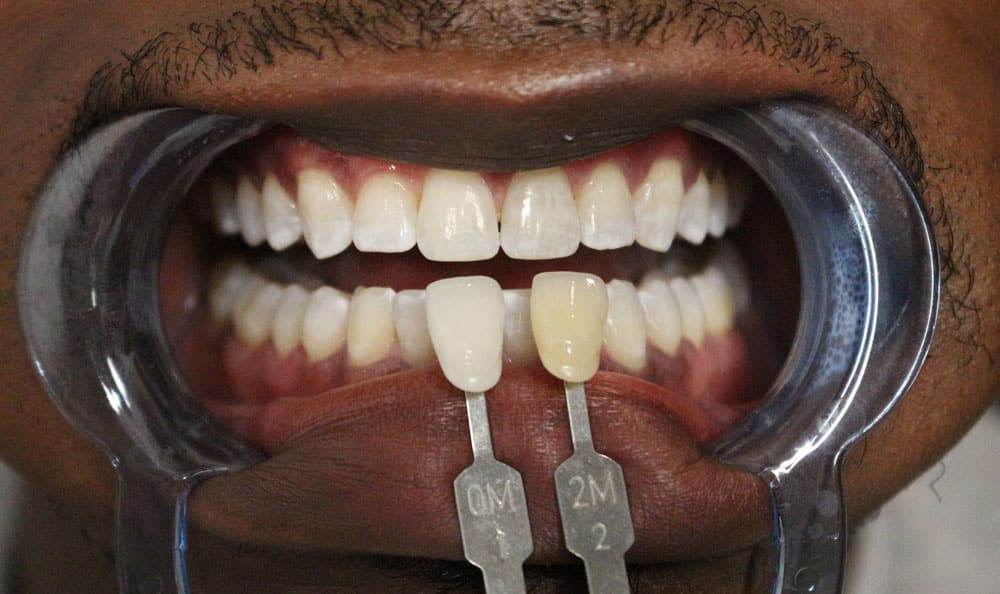
Whitening toothpaste, over-the-counter gels, rinses, strips, trays, and things you acquire from a dentist are just a few of the numerous teeth whitening Houston methods and items available. People with healthy, unrestored teeth and gums are the best candidates for teeth whitening. People who have yellow-colored teeth respond well. But not everyone should have this aesthetic treatment of teeth whitening near me.
For how long does the whitening effect last?
Professional teeth whitening is temporary. When people consume food and beverages that can stain their white teeth, the whiteness of their teeth may start to deteriorate in as little as one month. Depending on the state of the teeth, the amount of staining, and the kind of bleaching procedure, the degree of whiteness will differ from person to person.
What are the methods of whitening the teeth?
Talk to your dental expert to determine which teeth whitening method suits you. There are several best teeth whitening options available such as:
Whitening toothpaste
Due to the mild or moderate abrasives they include, all toothpaste can remove surface stains. Some toothpaste can removes stains more effectively than others by using chemical or mild polishing agents. Whitening toothpaste can bring the color of the teeth up to one shade. On the other hand, teeth whitening with prescription strength done by a teeth whitening dentist at the dental office can whiten your teeth in three to eight shades.
Over-the-counter whitening gels and strips
They apply clear, peroxide-based whitening gels with a little brush to the surface of your teeth. Different instructions are required depending on the peroxide's strength, and the product's instructions are closely followed. According to Walk In Dentist near me, the first results appear after a few days, while the last appear after around four months. A complete procedure can last up to 10 to 14 days.
Tray-based teeth whiteners
Fill a mouthguard-like tray with a gel whitening solution that contains a peroxide-bleaching agent in tray-based tooth whitening systems, which can be bought over the counter or from a Teeth Bleaching Dentist. You may wear the tray for a while, typically from a few hours to every night for up to four weeks and even longer.
What are the methods to keep the teeth white?
- Avoid stain-prone meals and beverages. Anything that contains tannins or acids might dull your teeth. Avoid too much soy, curry, tomato sauce, white and red wine, sports drinks, carbonated beverages, black tea, and coffee if you want to keep your grin bright.
- Maintain healthy oral hygiene habits. It would be best to use dental floss at least once a day to remove plaque, brush your teeth at least twice a day, and use an antiseptic mouthwash at least once a day to kill the germs that create plaque.
- Consume produce and foods high in calcium. Consuming fruits and vegetables can act as a dental "scrubber." Consider how fresh your mouth is after finishing a crisp apple.
- Avoid tobacco. Your teeth might become discolored from chewing tobacco, cigars, cigarettes, and pipes. If you stop smoking, you'll have brighter teeth and a healthier heart.
Conclusion
The above-given information highlights the critical aspects and methods of teeth whitening. For more beneficial information, please visit emergencydentistinhouston.com.
Article Source : https://www.articleapprove.com/what-are-the-effective-teeth-whitening-treatments/
-
What Do You Understand By Tooth Abscess?
Dec 5, 2022
Many people ask us What is a tooth abscess. A tooth abscess is a buildup of pus inside the tooth or the structures nearby. When a tooth, gums, or jawbone gets infected with germs, tooth abscesses start to form. These infections may be brought on by oral injuries, gum disease, or tooth decay.
A dental abscess may progress or spread to other body parts if left untreated. However, their causes emerge in stages, and awareness of these phases might aid in Gum Abscess Treatment or prevention.
.
What are the stages of a tooth abscess?
One of the advanced phases of dental decay is the abscess. The various gum abscess stages consist of the following:
- Enamel decay. Deterioration of the tooth's outer layer is the result of enamel degradation. While some people may notice an increased sensitivity to heat and cold, others may not feel any symptoms at all.
- Dentin decay. It refers to the deterioration of the tooth's layer of dentin. Some folks might experience discomfort or sensitivity, and there could occasionally be a noticeable crack or cavity in the tooth could sometimes occur.
- Pulp decay. When bacteria penetrate a tooth's deepest layer, pulp decay results and bacteria in the tooth pulp can attack the tooth's nerve, resulting in excruciating pain.
- Abscess formation. An abscess develops when dental decay has advanced to the tooth's pulp or deeper into the gums or jawbone. Along with swelling and redness of the gums, a person may experience pain close to the tooth.
- Tooth loss. A severely damages tooth may break or fall.
What are the significant symptoms of a tooth abscess?
The following are indications and Abscess Tooth Symptoms:
- Extreme, ongoing tooth pain that radiates to your jawline, neck, or ear
- Discomfort or pain at both hot and cold temperatures
- When eating or biting, there may be pain or discomfort.
- Fever
- Face, cheek, or neck swelling that could make it difficult to breathe or swallow
- Foul smell in your mouth
How do doctors treat tooth abscesses?
To stop the infection is the aim of Abscess Tooth Treatment. For example, a dentist might:
- Drain the abscess by opening it up. The abscess is cut open by the dental expert, allowing the pus to drain. The dentist then uses salt water to clean the area (saline).
- Perform a root canal. This may help in removing the infection and preserving your tooth. Your dental specialist must make a hole into your tooth to drain the abscess and remove the damaged pulp.
- Remove the infected tooth. Your dentist will take the afflicted tooth if it cannot be salvaged and drain the abscess to remove the harmful infection.
What are the home treatments for tooth abscesses?
How to get rid of an abscess with home treatment? It would be best if you did not try to treat an abscess on your own; only dentists can assist you in doing so. These natural therapies work well to relieve pain but do not offer a long-term fix. Now, not all abscesses will respond to these treatments in the same way. Some are beneficial for both gums and teeth, while others are only for a particular type:
- Cold compress
- Rinse with salt water
- Wedge pillow
- Baking soda
- Oil pulling
Conclusion
The above-given information gives us some valuable details regarding Tooth abscess. For further informative updates, please click on emergencydentistinhouston.com.
Article Source : https://www.articleaffiliate.com/what-do-you-understand-by-tooth-abscess/
-
Pericoronitis is a swelling or inflammation of the gum tissue. It commonly occurs around your wisdom teeth, the third and final set of molars most people obtain in their late teens or early twenties. It is more frequent in your lower teeth. The crown of the erupting tooth is typically partially covered by a flap of the gum tissue in patients with pericoronitis. Depending on several variables, your doctor can advise removing the flap or extracting the pericoronitis wisdom tooth. Sometimes the best way is to treat the actual symptoms merely.
What are the causes of pericoronitis?
According to Urgent Dental Care Near Me, the partial eruption of wisdom teeth can cause pericoronitis. An operculum is a soft tissue development surrounding a partially erupted wisdom tooth. The operculum might become entrapped with bacteria, creating a gap for bacteria to infiltrate the area around the tooth, resulting in an infection and swelling.
It is also possible for food particles, germs, or plaque to become lodged under the gingiva, the flap of gum surrounding a tooth. It may irritate the gum and cause pericoronitis if it remains there. In extreme circumstances, the inflammation and swelling may spread from the jaw to the cheeks and neck.
What are the signs or symptoms of pericoronitis?
Pericoronitis symptoms can either be short-term(Acute) or chronic. Acute symptoms include
- Swelling in the gum tissue
- Pain
- Pus discharge
- Pain with swallowing
- Lockjaw or trismus
- Fever
- Loss of appetite
- Infection
- A bad taste in my mouth
For how long does pericoronitis last?
Depending on the situation and the seriousness of your ailment, minor pericoronitis can only last a few days. In contrast, a severe case might last a few weeks. Pericoronitis often resolves with treatment in a week or two. But if you don't get help, your symptoms can come back.
How do dentists treat pericoronitis?
People ask us how to treat swollen gums near wisdom tooth. The Pericoronitis treatments may include:
- Oral hygiene/irrigators and rinses: Rinsing your mouth with warm salt water may be used as a treatment if the pericoronitis is localized and hasn't spread. Your dentist may administer an oral rinse or flush away food particles or bacteria.
- Painkillers: You can use aspirin, acetaminophen, or ibuprofen as painkillers. You might also get a painkiller from your dentist.
- Antibiotics: Visit your dentist immediately if your tooth, jaw, or cheek is swollen or hurting. They can use antibiotics to treat the infection.
- Minor oral surgery to remove the operculum. 24-Hour Emergency Dentist can perform minor surgery to remove the gum flap or wisdom teeth if the pain and swelling are severe or if the pericoronitis recurs. Your dentist can make the proper recommendation to an oral and maxillofacial surgeon for pericoronitis treatment.
- Extraction: You could require surgery to remove a wisdom tooth if it still won't erupt naturally. To stop your higher tooth from biting down on your gum and spreading infection, your dentist may advise you to have your upper and lower wisdom teeth out.
Conclusion
The above-provided details will help you learn some essential aspects and factors regarding pericoronitis. For more beneficial information, please visit emergencydentistinhouston.com.
Article Source : https://www.dentistdiary.com/what-are-the-crucial-things-to-know-regarding-pericoronitis/