Contact us to discuss your plans or book your free consultation today: 987.654.3210
-
What are The Key Indicators of Healthy Gums, And How Can One Assess Their Gum Health At Home?
Dec 22, 2023
In the pursuit of a radiant smile, many focus on achieving the perfect set of pearly whites. However, the often overlooked heroes of oral health are the gums. Healthy gums are the foundation of a beautiful smile and play a crucial role in overall well-being. In this article, we will delve into the key indicators of healthy gums and provide insights on how to assess and maintain optimal gum health in the comfort of your own home.
Understanding the Significance of Healthy Gums:
Before we explore the indicators of healthy gums, it's essential to grasp their significance in oral health. Gums serve as a protective barrier, anchoring teeth securely in place and safeguarding against bacteria that can lead to various dental issues. When gums are healthy, they provide a firm foundation for strong and vibrant teeth.
Key Indicators of Healthy Gums:
Pink and Firm Tissue:
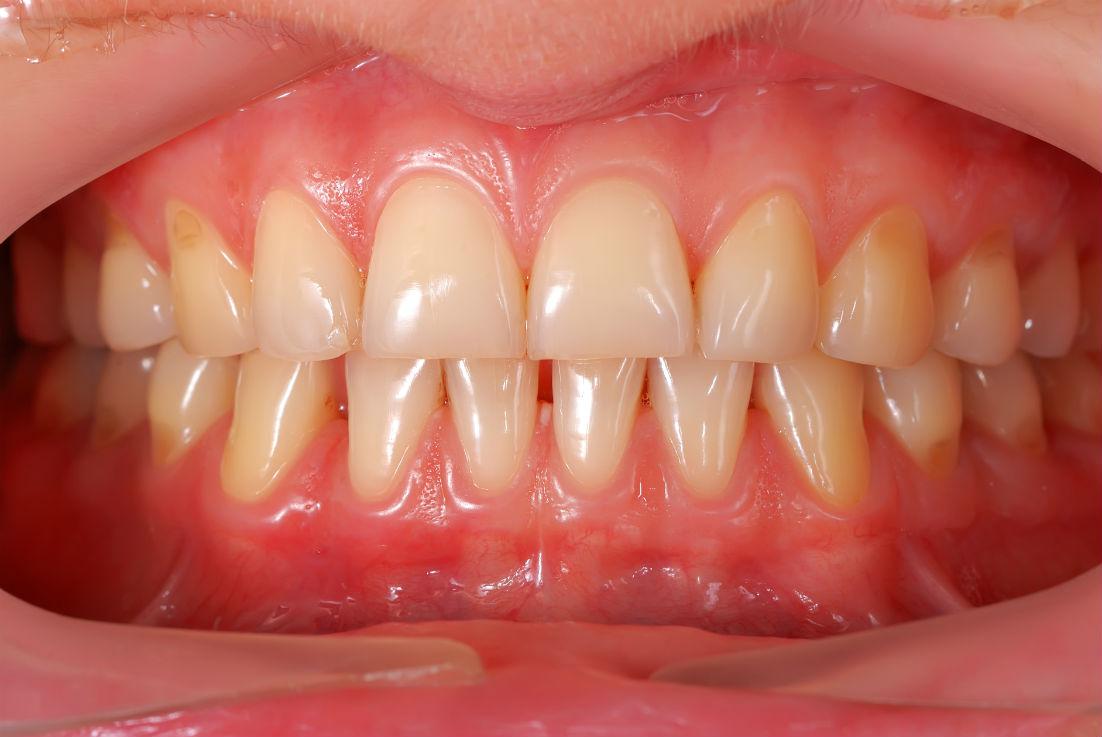
One of the primary visual indicators of gum health is the color and firmness of the gum tissue. Healthy gums are typically pink in color and have a firm texture. Redness, swelling, or tenderness may be signs of inflammation and potential gum disease.
Consistent Gum Line:
A healthy gum line follows a consistent and even contour along the teeth. Irregularities or changes in the gum line could be indicative of gum recession or other underlying issues.
Minimal Bleeding:
Healthy gums do not bleed during routine activities such as brushing or flossing. If you notice persistent bleeding, it may be a sign of gingivitis or more advanced stages of gum disease.
Proper Teeth Alignment:
The alignment of teeth is closely linked to gum health. Well-aligned teeth contribute to a balanced bite, reducing the risk of gum issues. Misaligned teeth may create pockets where bacteria can thrive, leading to gum inflammation.
Assessing Gum Health at Home:
Now that we've identified the key indicators of healthy gums, let's discuss practical ways to assess and promote gum health at home.
Regular Oral Hygiene Routine:
Maintaining a consistent oral hygiene routine is fundamental to gum health. Brushing teeth twice a day, flossing regularly, and using an antiseptic mouthwash can help remove plaque and bacteria that contribute to gum disease.
Monitor Gum Appearance:
Periodically inspect your gums in the mirror. Look for any changes in color, swelling, or irregularities in the gum line. Early detection of these signs allows for prompt intervention.
Gentle Brushing Techniques:
Adopt gentle brushing techniques to avoid causing damage to the gums. Use a soft-bristled toothbrush and gentle, circular motions to clean teeth and gums effectively without causing irritation.
Balanced Diet:
A nutritious diet plays a vital role in gum health. Include foods rich in vitamins and minerals, such as fruits and vegetables, to support overall oral health.
Best Teeth Whitening Practices for Healthy Gums:
While healthy gums are the foundation of a beautiful smile, maintaining white teeth is also a common aesthetic concern. Here are some teeth whitening practices that complement gum health:
Professional Dental Cleanings:
Schedule regular professional dental cleanings to remove surface stains and plaque buildup. A dentist can also provide personalized advice on maintaining both gum health and white teeth.
Natural Whitening Agents:
Incorporate natural teeth-whitening agents into your routine, such as baking soda or activated charcoal. However, use these sparingly to avoid abrasive effects on tooth enamel.
Avoid Tobacco and Staining Substances:
Quitting tobacco and limiting the consumption of staining substances like coffee and red wine can help prevent teeth discoloration and support overall oral health.
Conclusion:
In conclusion, healthy gums are the cornerstone of a vibrant smile and contribute significantly to overall oral well-being. By understanding the key indicators of healthy gums and incorporating proactive measures into your daily routine, you can assess and maintain optimal gum health at home. Remember, a radiant smile goes beyond white teeth—it starts with healthy gums that form the basis of a confident and beautiful expression.
-
Gum Disease: Treatment and Early Stages Symptoms
Nov 15, 2023
Have you ever noticed blood while brushing in the morning or the night? Be cautious and visit the Emergency Dental Clinic because this is the first indicator or sign of gum disease.
Gum disease is further transformed into Gingivitis, as it generally occurs when your gums are infected with unhealthy eating habits and not taking proper care of oral health conditions. It can cause more severe issues when it goes beyond the gumline and jawbone. Furthermore, it enhances the risk of causing periodontitis, which further becomes a concerning issue in the long run.
Thankfully, various treatments for gum disease are available, which help people to get rid of the dental disease as soon as possible without causing harm to surrounding teeth. Healthcare professionals suggest treatment of gum disease based on factors such as severity, size, location and infected area. Minimally invasive procedures to surgical procedures are often considered by healthcare professionals for diagnosing gum disease.
There are two different types of gum disease, including:-
- Gingivitis
- Periodontitis
What causes swollen gums how to stop wisdom tooth pain is a common question that patients ask dentists during the first consultation. However, swollen gums are a common health condition of Gingivitis that can occur because of poor oral hygiene, irritating substances or gum infections.
Swollen gums can result from poor oral hygiene, gum infections, or irritating substances. To alleviate wisdom tooth pain, use over-the-counter pain relievers and cold compresses while consulting your dentist for long-term relief.
What are the early stages of gum disease?
The early stages of gum disease are described below:-
- Red or swollen gums are the red flags of Gingivitis.
- May you experience bleeding gums while brushing or flossing your teeth.
- Sometimes, continuous bad breath is also a sign of gum disease, as it generally happens when debris collects into your gumline.
- Gums start making a distance between teeth.
- It is worth mentioning that early stages are painless, but the right treatment at the right time can subtle the issues. Keep visiting the dentist's clinic for regular checkups or follow-ups.
- Some loosened teeth may start noticing.
What Are Different Treatment Options For Gum Disease?
Gum disease, also known as periodontal disease, healthcare professional recommends the right line of treatment depending on the severity of the individual. Here are some treatment options for gum disease.
Dental Cleaning
Visiting the dentist's clinic for regular follow-ups or checkups helps to remove plaque and tartar buildup between teeth, preventing gum disease in the early stages.
Scaling and Root Planing
For mild to moderate gum disease, doctors often recommend scaling and root planing to protect from bacteria and ensure the smooth functioning of the tooth roots.
Antibiotics
To combat infection and reduce inflammation, healthcare professionals sometimes prescribe antibiotics medications.
Laser Therapy
Laser treatments eliminate infected tissues from tooth pockets that, promote gum regeneration and reduce the risk of spreading infection to surrounding teeth.
Invasive Surgeries
Invasive surgeries such as gum grafting, bone grafting, or flap surgery are recommended only in severe cases that repair damaged tissues and manage gum disease.
Home Care Practices
Incorporating good oral hygiene habits like flossing or brushing reduces the risk of spreading gum disease to some extent.
Wrapping It Up
Gum disease is one of the most common oral health conditions that can affect anyone. But proper maintenance, care and getting the right treatment on time help individuals to maintain healthy gums.
-
How Can Individuals Determine the Most Cost-Effective Teeth Whitening Solution for Their Needs?
Nov 7, 2023
In a world where first impressions matter, a bright and confident smile can make all the difference. Many individuals seek to enhance their smiles by opting for teeth whitening procedures, but with various options available, it can be challenging to determine the most cost-effective solution for your unique needs. This article will guide you through the process of evaluating teeth whitening cost and provide insights into the benefits of walk-in dentist services, helping you make an informed decision that suits both your budget and preferences.
Understanding the Teeth Whitening Landscape
Before diving into the specifics of teeth whitening cost, it's crucial to comprehend the various teeth whitening methods and the factors influencing their prices. Here are some common teeth whitening options:
- Over-the-Counter (OTC) Products: These include teeth whitening toothpaste, strips, and gels. They are generally the most budget-friendly option but may require prolonged usage for noticeable results.
- Take-Home Whitening Kits: Provided by dental professionals, these kits consist of custom trays and professional-grade whitening gel. They offer a balance between effectiveness and affordability.
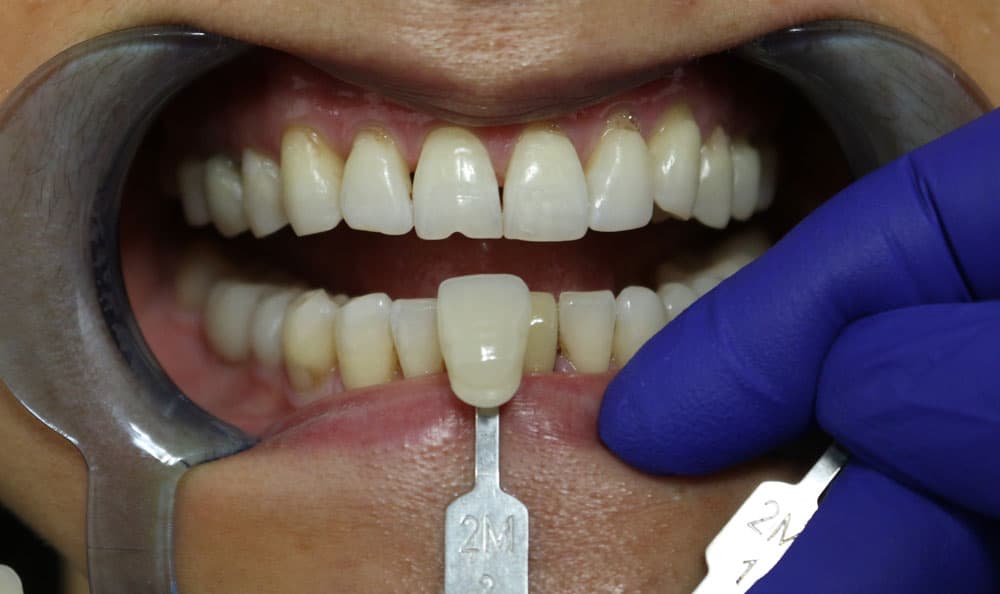
- In-Office Teeth Whitening: Administered by dental professionals, in-office procedures like laser or light-accelerated whitening provide rapid and noticeable results but come at a higher cost.
- Walk-In Dentist Services: Some dental clinics offer walk-in services for various dental treatments, including teeth whitening. These may provide an accessible and cost-effective option.
Assessing Teeth Whitening Cost
When considering teeth whitening options, one of the primary concerns is cost. To determine the most cost-effective solution for your needs, you should consider the following factors:
Treatment Method:
- OTC Products: These are usually the cheapest option but might require long-term use to achieve desired results.
- Take-Home Whitening Kits: A bit pricier, but offer professional-grade results.
- In-Office Teeth Whitening: This is often the most expensive option, but it provides the quickest and most noticeable results.
- Walk-In Dentist Services: The cost may vary, but they can be more affordable compared to in-office procedures.
Desired Results:
Consider how white you want your teeth to be. If you're looking for a significant transformation, in-office whitening might be the most suitable, despite the higher cost. For more subtle improvements, OTC products or take-home kits may suffice.
Duration:
Think about how quickly you want to see results. In-office procedures deliver instant results, while OTC and take-home kits may take several weeks.
Safety and Quality:
Invest in reputable products or services to ensure safety and quality. Lower-priced options might not guarantee the best outcomes.
Maintenance:
Factor in the need for maintenance and the ongoing costs associated with maintaining your newly whitened smile.
Benefits of Walk-In Dentist Services
Walk in dentist services are becoming increasingly popular, offering an attractive middle ground in terms of teeth whitening cost and convenience. Here are some advantages of considering these services:
- Accessibility: Walk-in dentist services provide convenient access to teeth whitening treatments, allowing you to receive professional care without scheduling an appointment in advance.
- Professional Oversight: Even though these services may be more affordable than in-office procedures, they are administered by trained dental professionals, ensuring that you receive safe and effective treatment.
- Tailored Solutions: Walk-in clinics can provide personalized advice and treatments based on your specific needs and expectations.
- Budget-Friendly: The cost of walk-in dentist services is often more reasonable than traditional in-office whitening, making it a cost-effective choice for many individuals.
- Immediate Results: While not as fast as in-office treatments, walk-in dentist services still provide relatively quick results compared to OTC products.
- Flexible Scheduling: Many walk-in dental clinics offer extended hours and weekend appointments, accommodating a variety of schedules.
Making Your Decision
Choosing the most cost-effective teeth whitening solution for your needs involves a careful evaluation of your priorities, budget, and expectations. Consider the quality, safety, and convenience of the method you select.
If you're looking for an accessible and budget-friendly option, walk-in dentist services may be an excellent choice. They offer a middle ground between OTC products and in-office treatments, with the added benefit of professional oversight.
Remember, your smile is an investment in your confidence and overall well-being. By considering your individual circumstances and budget, you can achieve a dazzling smile that reflects your unique personality without breaking the bank. So, go ahead and explore the world of teeth whitening to put your best smile forward!
-
Teeth are the most sentimental part of your mouth that plays an essential role in fostering overall health or well-being. When any tooth is damaged, cracked, or injured, it does not cause any pain or discomfort but also hampers the health and causes more oral health conditions: tooth decay, oral cancer, periodontitis, osteoporosis, and many more. This is a condition where the root canal, a miracle of modern dentistry, is recommended by healthcare professionals in healing Tooth Infection Treatment.
What is a Root Canal?
Root canal dental procedures that healthcare professionals often use to protect affected or nearby teeth from severe infections or complications. In this toothache cure, a dentist eliminates the damaged or infected pulp by cleaning and sealing the tooth from the inside. This keeps the tooth healthy, relieves pain and discomfort, and reduces the risk of further complications.
What Are the Symptoms of a Root Canal?
Root canal infection symptoms are as follows:-
- Unbearable pain or severe toothache is one of the common signs of a root canal.
- Sensitivity while eating or drinking cold or hot items lasts beyond normal
- Swollen gums near the affected area or pimple-like bump on the gum.
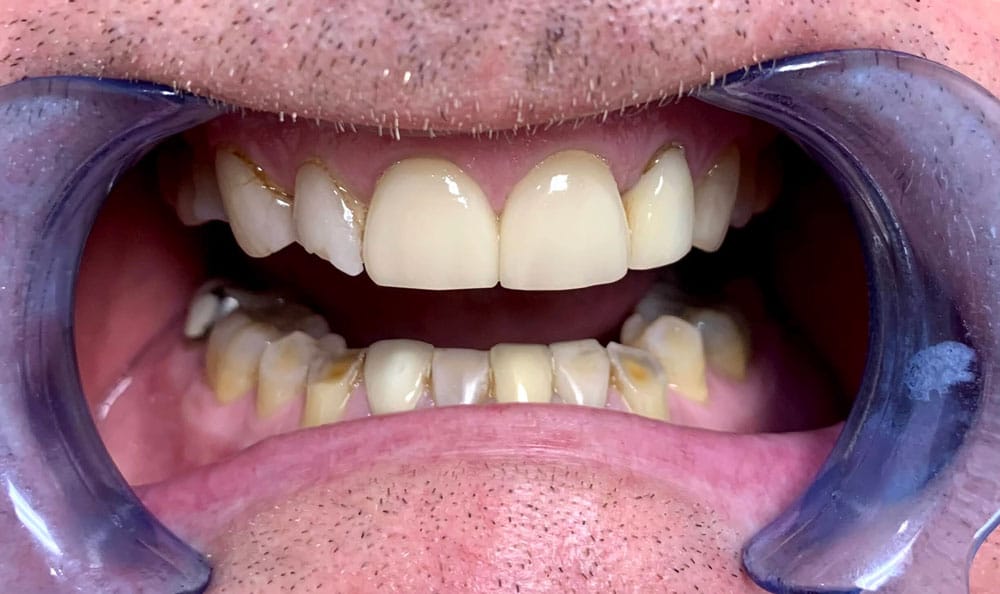
- Affected teeth may be prone to discoloration and turn into dark yellow, black, or gray, showing signs of infection.
- Sometimes, people may experience systemic symptoms like fever, as it is often in severe cases.
- Bad foul or odor in the mouth accompanied by a pus drainage.
How can I prepare myself for a root canal procedure?
There are some things you need to consider during the journey of root canal treatment:-
Appointment
Make an appointment with your healthcare professional and discuss your dental issues or symptoms (if any) with them openly.
Take Prescribed Medications on Time
In severe cases, the dentist may prescribe you some antibiotics or anti-inflammatory drugs before proceeding with the root canal treatment. So, take all medications on time to recover from pain.
Include a Well-Balanced and Healthy Diet
Eat a well-balanced and healthy diet for performing root canal therapy as experts use local anesthetic, which will numb your mouth for a few hours.
Arrive Early
Reach the dentist's clinic before the scheduled time so that you can get some time to relax and complete the formalities or paperwork, if any.
Relaxation Techniques
Focus on deep breathing exercises or medication to calm yourself for performing the root canal treatment.
Accompany a Friend
Go along with a friend or any family member for support during or after root canal treatment.
Post-Care Treatment Instructions
Clear all your doubts with your dentist if any necessary follow-up appointments and post-treatment care instructions need to be taken.
Have Some Faith in Dentist Skills
You need to have faith or trust in the dentist's skills as they have hands-on experience and well-experts in root canal procedures.
Wrapping It Up
How to treat toothache is one of the common queries that many people search for. For treating a toothache or any dental issues, you need to consult a dentist for proper evaluation and can take over-the-counter pain relievers. Avoid drinking or consuming sugary, acidic, too-hot, or cold items for sensitivity.
-
Why Might Someone Consider Getting Dental Implants?
Oct 31, 2023
Dental health is an integral part of our overall well-being, and when tooth loss occurs, it can have a significant impact on our daily lives. Whether due to decay, injury, or other dental issues, missing teeth can affect one's self-esteem, ability to eat, and even the alignment of surrounding teeth. In such cases, dental implants emerge as a valuable solution that not only restores the aesthetics of your smile but also ensures the functionality of your teeth. This article delves into the world of dental implants, highlighting the reasons why someone might consider them as a viable option. Additionally, it discusses the role of emergency dentistry in addressing immediate dental implant needs.
The Significance of a Healthy Smile
A bright, healthy smile is more than just a cosmetic feature. It reflects our overall health and plays a vital role in our self-confidence and social interactions. Missing teeth can lead to embarrassment and low self-esteem, impacting our personal and professional lives. Dental implants offer an effective way to regain that confident smile, and they come with several key benefits that make them a popular choice.
Natural Aesthetics
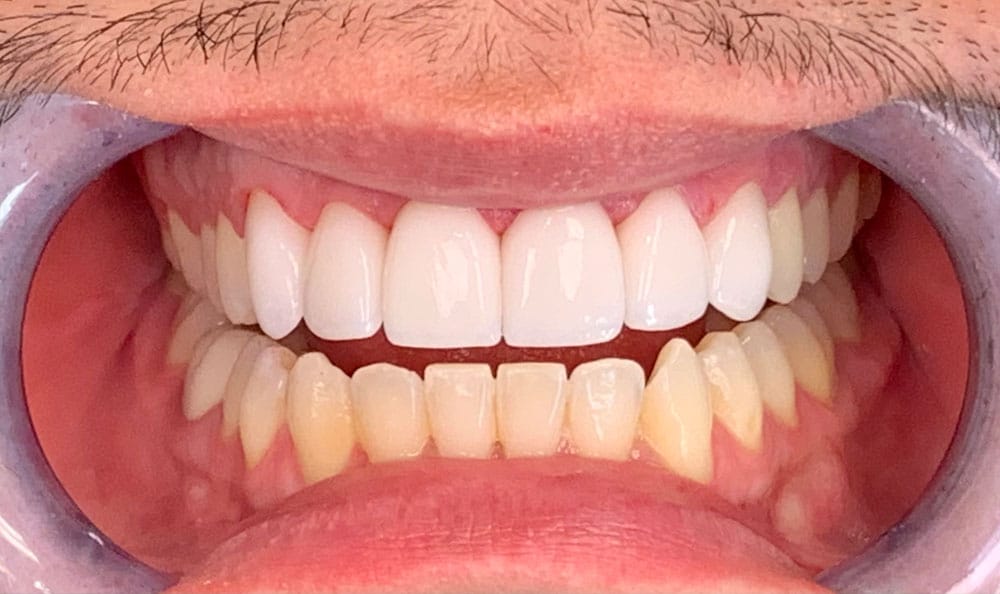
Dental implants are designed to look and feel like natural teeth. This is achieved through precise customization, including the shape, size, and color of the implant crown. The result is a smile that seamlessly blends in with your existing teeth, enhancing your overall appearance.
Improved Speech
Missing teeth can affect speech patterns and pronunciation. Dental implants fill the gaps, enabling better articulation and restoring clear communication.
Enhanced Chewing and Digestion
Chewing and breaking down food is challenging with missing teeth, leading to digestive issues. Dental implants restore the ability to chew effectively, promoting proper digestion and better nutrition.
Preservation of Facial Structure
The loss of teeth can lead to facial sagging and premature aging. Dental implants provide essential support to the underlying bone, preventing facial structure deterioration.
Durability and Longevity
Compared to other tooth replacement options like dentures and bridges, dental implants have a longer lifespan. With proper care and maintenance, they can last a lifetime, making them a cost-effective investment.
Understanding Dental Implants
Dental implants consist of three main components:
- The Implant: A small, titanium post that is surgically placed into the jawbone. This post acts as a sturdy anchor for the replacement tooth.
- The Abutment: The connector that joins the implant to the replacement tooth. It protrudes above the gumline and provides support for the crown.
- The Crown: The visible part of the tooth that mimics the appearance and function of a natural tooth. Crowns are custom-made to match the patient's existing teeth.
The Process of Getting Dental Implants
The journey to receiving dental implants involves several stages:
- Initial Consultation: A comprehensive dental examination is conducted to assess your oral health and determine if dental implants are a suitable option. X-rays and digital scans are often used to gather detailed information.
- Treatment Planning: Based on the evaluation, a personalized treatment plan is created, taking into account your unique needs and goals.
- Implant Placement: The dental implant, usually made of titanium, is surgically placed into the jawbone. This serves as a secure foundation for the future restoration.
- Osseointegration: Over the following months, the implant integrates with the bone, ensuring stability and durability.
- Abutment Placement: Once the implant has bonded with the bone, an abutment is attached to it. This abutment connects the implant to the crown.
- Crown Placement: Finally, the customized crown is placed on the abutment, completing the dental implant. The crown is adjusted to fit comfortably and blend seamlessly with your natural teeth.
Why Might Someone Consider Getting Dental Implants?
Restored Functionality
Dental implants function just like natural teeth. They allow you to eat, speak, and smile with confidence, without any worries about slippage or discomfort. This improved functionality is a primary reason why someone might consider getting dental implants.
Confidence and Self-Esteem
The restoration of a complete and natural-looking smile can significantly boost one's self-esteem and confidence. People who have lived with missing teeth often find that dental implants help them feel more comfortable in social situations and professional settings.
Long-Term Solution
Dental implants offer a long-term solution to tooth loss. Unlike dentures or bridges, which may need frequent adjustments or replacements, dental implants can last for decades with proper care.
Oral Health Preservation
When a tooth is lost, the surrounding bone can deteriorate over time. Dental implants help maintain the bone structure, ensuring the overall health of the oral cavity.
Aesthetic Appeal
The aesthetic benefits of dental implants are undeniable. They look and feel like natural teeth, enhancing your overall appearance and smile.
Emergency Dentistry and Dental Implants
In some cases, dental issues requiring implant placement may arise as emergencies. These situations necessitate prompt attention and care, which falls under the domain of emergency dentistry.
Common Dental Emergencies That May Require Implants:
- Traumatic Tooth Loss: Accidents, sports injuries, or other traumatic events can result in the immediate loss of one or more teeth. Emergency dentists can assess the situation and determine if dental implants are the best course of action.
- Sudden Tooth Infection: Severe tooth infections or abscesses may require tooth extraction. In such cases, emergency dentists can perform extractions and prepare for implant placement once the infection is under control.
- Fractured Teeth: Teeth that are fractured beyond repair may need extraction and replacement with dental implants. Emergency dentistry can address this issue efficiently.
- Failed Dental Restoration: If an existing dental restoration, such as a bridge or crown, fails unexpectedly, emergency dentists can evaluate the situation and recommend dental implants as a more stable, long-term solution.
- Severe Pain and Swelling: Dental pain and facial swelling can be indicative of various dental problems, including the need for dental implants. Emergency dentists can provide immediate relief and plan for implant placement if required.
Benefits of Emergency Dentistry for Dental Implants:
- Timely Response: Emergency dentists are available to provide immediate care when dental issues arise unexpectedly, ensuring that patients receive prompt attention.
- Pain Relief: Emergency dentists can alleviate pain and discomfort associated with dental emergencies, allowing patients to feel more at ease.
- Preventing Further Damage: Addressing dental emergencies promptly can help prevent further damage or complications, ultimately improving the success of dental implant placement.
Conclusion:
Dental implants are a remarkable solution for individuals facing the challenges of tooth loss. They offer a range of benefits, from improved functionality and aesthetics to long-term oral health preservation. Furthermore, the field of emergency dentistry plays a crucial role in addressing sudden dental issues that may require dental implants. By understanding the significance of a healthy smile and the advantages of dental implants, individuals can make informed decisions about their oral health and well-being. Whether through careful planning or in response to unexpected emergencies, dental implants have the potential to transform lives and restore the confidence and comfort of those who choose this remarkable dental solution.