Contact us to discuss your plans or book your free consultation today: 987.654.3210
-
Can Periodontitis Be Cured?
Sep 12, 2022
Mainly untreated gum diseases and gum infections advance to periodontitis. These people must protect themselves from any dental diseases and restrict the development of the condition with regular checkups. A good dental practice and hygiene technique can help you to eliminate any types of gum disease.
Periodontitis
Periodontitis or advanced periodontal disease happens when your bone and surrounding tissue can be irreversibly damaged. Your teeth might start shifting, changing their bite, possibly leading to bone loss or tooth loss.
This may also become a hurdle for any future restoration procedure. A lack of bone can make it difficult for treatments such as implants, bridges, or lumineers. Even this issue can cause the health of a person's gum and bone tissue to be more exposed to the further occurrence of advanced gum disease if left untreated. Therefore, you should visit your dentist at least twice a year and follow your dental practices regularly.
What Causes Periodontitis
Most gum diseases occur in stages; the first stage of gum disease is called gingivitis. It would be best if you visited your dentist to get treated first to prevent periodontitis. Gingivitis is a reversible procedure, and the dentist can treat your inflamed gums after constant exposure to the bacteria, leading to gum and bone tissue damage.
You need an authentic and experienced Emergency Dental Clinic to ensure the health and hygiene of your mouth. You need proper care to secure the toxins may not travel to your blood vessels and other parts of your body, leading to fatal consequences.
What Can Your Dentist Do?
If a patient's gum disease advances and develops into periodontitis diseases, here simply brushing and flossing won't help your teeth from infection and dental conditions. The only thing it might do can slow down the spread of the disease. Also, you may see symptoms of tooth infection spreading to the body; in that condition, you should contact your dentist for proper periodontitis treatment. Your dentist will treat your periodontitis effectively and have a professional cleaning. There are some procedures your dentist may follow to treat periodontitis.
Tissue Grafting:
In periodontitis, bacteria eat away your gum tissue. Still, your dentist can save your tooth with the help of tissue grafting treatment. In this treatment, your dentist grafts new tissue where the gums have worsened due to gum diseases.
Crown Lengthening:
In the crown lengthening process, your dentist reshapes your teeth and gums to help make a tooth that has been knockout, worn down, or fractured. This procedure will help to restore your healthy gums and hygienic smile.
Pocket Elimination:
This procedure involves folding and trimming your diseased gum's back. Your dentist will also recontour your gums against the teeth.
Conclusion:
Your dentist will advise you to follow general dental practices such as brushing and flossing your teeth two times a day. And also, you should visit Emergency Dental Care Near Me at least twice a year for follow-up checkups.
Article Source : https://www.worldofarticles.com/can-periodontitis-be-cured/
-
There is one myth that permanent dentures are only for senior citizens. However, dentures are commonly more prevalent than you might think.
Tooth loss won't happen overnight, and dentures aren't necessary for many patients if they perform good dental practices such as brushing and flossing teeth at least twice a day, home health care, and regular dental checkups. But here are six signs that you may need dentures to restore your future dental health.
Signs and symptoms
If you don't visit your dentist for a regular checkup
Your routine dental checkups mainly emphasize your teeth' health and hygiene. During your checkups, your dentist will scan your mouth with the help of x-rays and find, if any, pus or infection present. Then they will deep clean your tooth and gums under the gum line. More importantly, when your oral health issues are tiny, dentists can correct them quickly.
However, once cavities and periodontal problems arise, your teeth need to be extracted, so you need Flexible Partial Dentures to fill the site.
Gaps between your teeth may start to loosen and shift.
When your dentist erupts your teeth due to gradual pressure on your jaw, your surrounded teeth start shifting and losing. This situation causes disturbance in your tooth jaw structure and misaligned jaws. In such a condition, your dentist gives extensive periodontal treatment and may suggest dental dentures or tooth replacement options.
If you're suffering from chronic toothaches.
If you find unbearable pain around your gums, this may be a sign of tooth decay. Advancing to the core of your tooth, nerves, tissues, and blood vessels. If caught early, your dentist can save your tooth with the help of root canal treatment or a simple filling. If it reaches the advanced stages, teeth extraction is the only option, or your dentist can place a partial denture to save your teeth.
If you find red, swollen, tender, or bleeding gums.
Irritated and inflammable gums are the perfect sign of early gums disease, called gingivitis. Unfortunately, gums diseases are one of the prominent reasons for adult tooth loss.
Your dentist can save or reverse gum disease in the early days with proper dental cleaning and practice. However, if left untreated, your gums disease can progress to bone loss and tooth loss. Then Emergency Dental Care will recommend dentures to restore your teeth' functionality and look.
You struggle with eating some types of foods.
Suppose you feel difficulty and sensitivity while eating or drinking hot and cold. In that case, you might have cracked, missing teeth, cavities, or gum diseases. Sometimes Dentist Near Me can save your teeth if they are caught early. If not, then the use of dentures is the only option.
Conclusion:
There is no typical reason for people to lose teeth unless they neglect dental issues or regular dental practices such as brushing and flossing at least two times a day. They regularly contact Emergency Dentist Near Me Open Now for a follow-up checkup.
Article Source : https://www.healthandhealthytips.com/what-are-the-signs-and-symptoms-that-you-might-need-dentures/
-
What Are the Significant Symptoms of a Tooth Infection Spreading to the Rest of the Body?
Aug 30, 2022
Most toothaches are caused by dental infections with a litle of symptoms like immense pain and swelling. But in some severe cases, dental infection worsens and spreads to other body parts such as the neck and head.
To eliminate the possibility of dental infection and gum abscess stages, you should visit your Dentist regularly, at least twice a year. Also, you should maintain proper dental practices such as brushing and flossing your teeth daily.
What Is a Tooth Abscess?
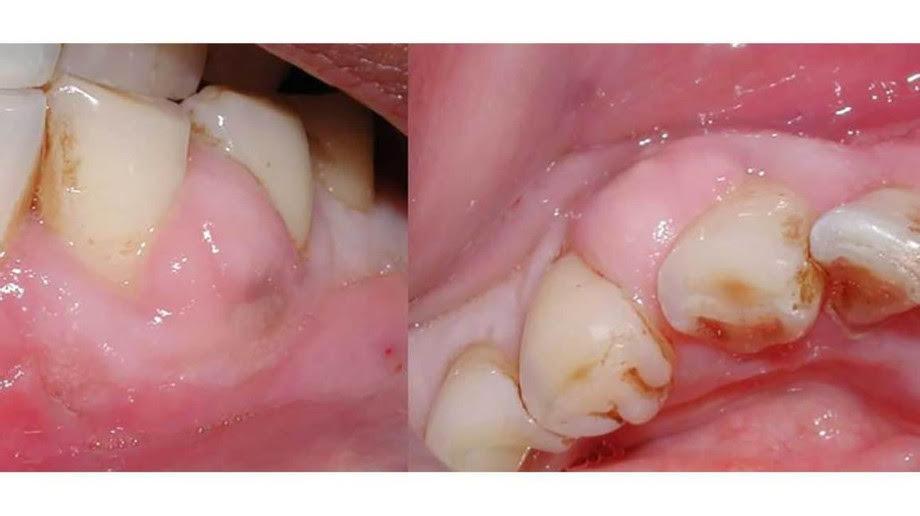
A tooth abscess is a little pocket of pus in your tooth and gums. Though it can occur anywhere in your mouth adjacent to a tooth, it is generally on the tip of the tooth's root.
Here are some signs and indicators that you may have an abscess:
- A nagging toothache
- Instant and extreme sensitivity to hot or cold while chewing and biting food
- A pocket of pus near your gum line near the diseased tooth
- If you find any swollen lymph nodes under your jaw
With proper dental care, a tooth abscess or any infection doesn't get too severe. To save the tooth, Your Dentist will drain the infection, or you may need a root canal treatment.
What Are The Symptoms of a Tooth Infection Spreading to the Body?
If you're suffering from an abscess, you may notice a foul or salty taste in your mouth. And you feel your pain is gone, and hence you're infection-free; unfortunately, this isn't necessarily true. In starting an abscess infection, pain may come and go, and this can be the first sign that infection may begin spreading. It can cause a severe condition called sepsis if it enters the blood vessels. Once your disease starts rupturing, the problem has already become significantly severe. You should immediately visit Walk In Dentist near me to treat the abscess. Here are some Abscess Tooth Symptoms; if you notice, you should seek emergency medical help immediately.
Feeling Unwell
You may start feeling unwell, and this is the first symptom that you're suffering from an abscess.
Slowly your toothache may turn into a nagging headache, and this pain may also travel to your jaw or into your ears.
Swelling
You may feel slight swelling on one side of your face; you should see your Dentist for this condition. Left untreated, this can start affecting your breathing and swallowing. Not only is this a sign of infection spreading, but it also can be life-threatening.
Increased Heart and Breathing Rate
You may feel your heart rate and breathing isn't normal with all such signs and symptoms.
There are also indications of sepsis, and if this starts, you should immediately see your Dentist for proper examination and diagnosis.
Dehydration and Stomach Pain
If you find you don't have to pee too much, and when you do, your urine is getting darker in color. This is a sign of dehydration and sepsis in an advanced stage. You may also start experiencing stomach pain and vomiting sometimes, so you're sepsis infection is in severe condition.
So, if you find any such signs and symptoms, you should immediately visit Walk In Dentist for proper Abscess Tooth Treatment.
Article Source : https://www.articleapprove.com/what-are-the-significant-symptoms-of-a-tooth-infection-spreading-to-the-rest-of-the-body/
-
Is Composite Filling Good For Teeth?
Aug 23, 2022
Composite fillings are a restorative process that dentists use to repair and restore your decayed, cracked, and fractured tooth and give a perfect smile. Emergency Dentistry Near Me removes your infected tooth's decayed or affected area and fills it with a composite filling.
Several methods for restoring your smile with filling materials are available, and each has pros and cons. Your dentist will recommend the best restorative materials that will work best for you according to your location, cost, and durability of your filling. Most dentists use composite and silver amalgam material for dental filling. Because composite filling both aesthetically and give long-lasting support to your tooth, also they are tooth colored and closely match your existing teeth.
As with most dental restorative treatments, Front Tooth Filling is not live long and may replace someday. However, they are durable, will last almost a decade, and give you a beautiful hygienic smile.
What are the reasons for composite fillings?
- chipped tooth repair, Decayed, and Worn teeth
- Close the Gap in between your teeth
- Cracked, fractured, or broken teeth
How are composite fillings placed?
Your dentist takes just one sitting for your composite filling treatment. They will numb your teeth with the help of local anesthesia and removes decay as necessary. Then the infected site will be thoroughly cleaned and prepared for the placement of new filling material.
Suppose the bacteria reaches nearly significant to your tooth's nerve. In that case, your dentist will place a particular medication to protect your tooth and then composite filling. They will polish, shape and restore your tooth to its original and natural appearance.
Your repaired tooth performs the same functionality as other teeth. But, you may feel sensitive to hot and cold food or drinks after composite filling restorative treatment. Urgent Dentist Near Me will carefully explain both advantages and disadvantages of your procedure during your first consultation day. Good dental hygiene practice, diet, and regular dental checkups will aid life in your new restorative procedure.
Benefits of Composite Fillings
What makes composite filling material safer than the old-fashioned, silver ones? The composite filling doesn't include mercury, which makes it healthy for your tooth as compared.
Composite fillings are stronger and more durable as compared to silver filling treatment. Moreover, the white composite filling does not expand or collapse in response to temperature change. Hence it won't be stretched in excess as compared to silver filling.
Conclusion
Your new dental filling will prevent bacteria from penetrating your nervous tissue and blood vessels. It also prevents your teeth from bacteria buildup from the former cavity. It saves you from immeasurable pain and tooth extraction treatment. If untreated, your tooth structure is at risk of tooth loss. However, if you visit 24 Hour Emergency Dentist Near Me regularly at least two times a year and brush & floss your teeth twice a day can prevent your teeth from cavities.
Article Source : https://www.techsmarttips.com/is-composite-filling-good-for-teeth/
-
Your dentist won't let your experience any pain during and after your root canal treatment; here are a few things you should know to help your root canal procedure:
Wait for Numbness
You should ask your doctor during your first consultation about your treatment's pros and cons. You should find after the procedure that your symptoms have abated. However, you should not hurry and celebrate by eating a giant and juicy chunk before your dentist let go of your anesthetic wears off. You may eat your cheek and tongue and damage your mouth without noticing it. Your dentist will also provide some guidelines on what to eat and when.
Some Tenderness Is Normal
After the emergency root canal treatment, you will find it completely normal to feel tenderness around your teeth while opening and closing your jaws. Your dentist will quickly treat and counter the pain with the help of medication. Suppose you feel any severe or mild discomfort after your root canal treatment for more than a few days. In that case, you should immediately contact 24 Hour Emergency Dentist, who will treat your pain with OTC treatment.
Visible Swelling Is a Bad Sign
If you notice any swelling in your mouth, you should visit your doctor. You could have a post-root canal infection. Swelling, itching, or hives can also cause an allergic situation due to an anesthetic or medication.
Root Canals Require Follow-Up
Generally, your dentist covers your tooth with a barrier after root canal treatment. To prevent the health of your tooth, they advise permanent dental filling or dental crown procedures.
What can you expect after your root canal?
how long does a root canal take? You should follow all post-root canal instructions carefully. Your dentist will ask you to eat soft foods and chew on the opposite side of the root canal site until your follow-up appointment when the dentist places a permanent filling or dental crown.
Some dentists offer sedatives, such as laughing gas, oral sedation, and IV sedation, to manage the patient's anxiety level during the treatment. While laughing gas has no significant side effects, oral sedation and IV sedation can impact your energy and mood for the rest of the day.
Can I Brush My Teeth After a Root Canal?
No dental treatment can give you a long and durable effect if you do not follow regular dental practices such as brushing and flossing your teeth twice a day and visiting your dentist at least two times a year. Once the numbing has completely worn off, you're free to brush your teeth as you usually would. Suppose you're waiting for a permanent filling or crown. In that case, it's necessary to brush and floss gently around your tooth so your ongoing dental restoration won't erupt.
Article Source : https://www.transitsblog.com/how-long-will-your-face-be-swollen-and-in-pain-after-a-root-canal/