Contact us to discuss your plans or book your free consultation today: 987.654.3210
-
What Should We Do About Wisdom Tooth Pain?
Aug 7, 2022
Many people's wisdom teeth cannot emerge through their gums due to a lack of room. A wisdom tooth can get impacted into the front molar teeth. Food and bacteria can become trapped around the wisdom tooth due to these issues, resulting in an infection. Pericoronitis is the infection that develops around the tooth's crown.
The infected and swollen gums around the top crown of the wisdom tooth can cause extreme pain. If the swelling is close to the muscles that control it, opening your mouth can be painful and difficult. It can also be painful or difficult to bite down as the pressure from the top tooth can press on the swelling.
How do you treat the pain caused by wisdom teeth?
Often wisdom tooth pain will fade away by itself after some time, but there are certain things you can do to get wisdom tooth pain relief. The simplest thing you can do is take the wisdom tooth over-the-counter pain medicines to help alleviate the pain. Ibuprofen is a pain reliever medicine that works well for wisdom teeth pain. It provides effective pain relief while also assisting in reducing inflammation and swelling.
It is critical to maintain the region around the wisdom tooth clean for it to heal more quickly. Even though the wisdom tooth is painful, you should gently brush around it. Many people ask us how to stop wisdom tooth pain from getting worse. The first step you can take is using a medicinal mouthwash or a warm salt water rinse to treat gum problems.
What to do in case of severe wisdom tooth pain?
How long does wisdom tooth pain last? Wisdom tooth pain should go away in three to four days. Still, the infection is more severe in rare cases, resulting in facial puffiness and even difficulties eating. If this happens, you may require antibiotics, but it is preferable to consult with your dentist first. Suppose you experience problems with your wisdom teeth regularly. In that case, you may need to have them removed to avoid long-term concerns. The only permanent and effective solution to get rid of wisdom tooth pain is to visit your dental expert and schedule their removal.
What are the prominent symptoms of wisdom teeth pain?
Impacted wisdom teeth won't always cause discomfort or show any symptoms. However, when an impacted tooth becomes infected. It damages the other teeth and causes other dental problems. You may experience some of these wisdom tooth pain symptoms and signs.
- Tender and bleeding gums
- Pain in the jaw
- Swollen and red gums
- Swelling around the jaw
- An unpleasant taste in your mouth
- Bad breath
- Difficulty in opening and closing your mouth
Conclusion
We hope the above-given information provides you with some essential and valuable insight about wisdom tooth pain. The above article highlights the causes of wisdom tooth pain and how to get rid of it. For more details regarding wisdom teeth pain, please visit emergencydentistinhouston.com.
Article Source : https://www.articleaffiliate.com/what-should-we-do-about-wisdom-tooth-pain/
-
Why Are Dental Fillings So Useful For Dentistry?
Jul 31, 2022
The dental specialist uses dental fillings to replace missing tooth structures due to damage, disease, or injury. The decay or damage of a tooth causes it to become hollow. The dental filling help to close this gap and keep it from decaying further.
Fillings also help restore fractured or cracked teeth and teeth that wear down due to dental habits such as teeth grinding, nail-biting, etc. You may require fillings due to a variety of signs and symptoms. According to 24 Hour Emergency Dentist Near Me, the following are some possible symptoms:
- Your tooth has a hole in it
- The tooth has dark stains on it.
- Food became caught between the teeth in particular regions.
- Teeth that have been chipped or fractured
- sensitive to hot and cold food and beverages
- Cavities can be single or many.
If you experience any of the symptoms lie we mentioned above, it may be possible that you'll need a filling. After a complete dental examination, your dentist will make the final decision.
What is the cost of dental fillings?
Dental filling cost varies significantly in different circumstances and for different patients. It also depends on what kind of dental filling you are using, where you are getting them, and many other minor factors. Generally, dental fillings are a very efficient and affordable method. The size of the tooth filling, the number of tooth fillings required, and the material you select determine the cost of treatment.
Investing in a tooth filling to restore your teeth today could help you avoid more costly operations in the future. A cavity, for example, if left without treatment, can result in tooth loss, and repairing a missing tooth or teeth is much more expensive than a dental filling.
Types of tooth fillings available for you
Dental fillings are available in various types. The type of dental filling your doctor will use on you depends on your tooth decay condition. It may also depend on other essential factors, such as people being allergic to certain filling materials. The different kinds of tooth fillings are
Metal Tooth Fillings
A metal tooth filling is less expensive than composite resin and provides longer-lasting effects. An amalgam filling can last up to 15 years if you take care of it properly. Amalgam fillings have higher resilience to damage because of the metal alloy employed, making them a better alternative for more significant areas of decay.
Composite Tooth Fillings
Composite Fillings are the same shade of white as your teeth. It is the best option if a person does not want to show their tooth fillings. It is suggested and appropriate for Front Tooth Filling. It develops a strong bond with the tooth structure. You can also use it to fix a chipped tooth, but it does not last as long as metal or amalgam fillings and can wear off over time.
Porcelain/ ceramic tooth fillings
Inlays, ceramic, and Cerec restorations are all terms experts use to describe porcelain fillings. Porcelain or gold fillings have a higher success rate than composite resin fillings. They are less expensive, but they need to be replaced every 4 to 5 years since they cannot endure severe biting pressure and fracture more quickly.
Conclusion
We hope the above-given information helps you learn some valuable things regarding dental fillings. The article discusses the various factors, aspects, benefits, and types of dental filling. For further details regarding dental fillings, please refer to emergencydentistinhouston.com.
Article Source : https://www.shoutarticle.com/why-are-dental-fillings-so-useful-for-dentistry/
-
What Are The Beneficial Aspects Of Dental Implants?
Jul 27, 2022
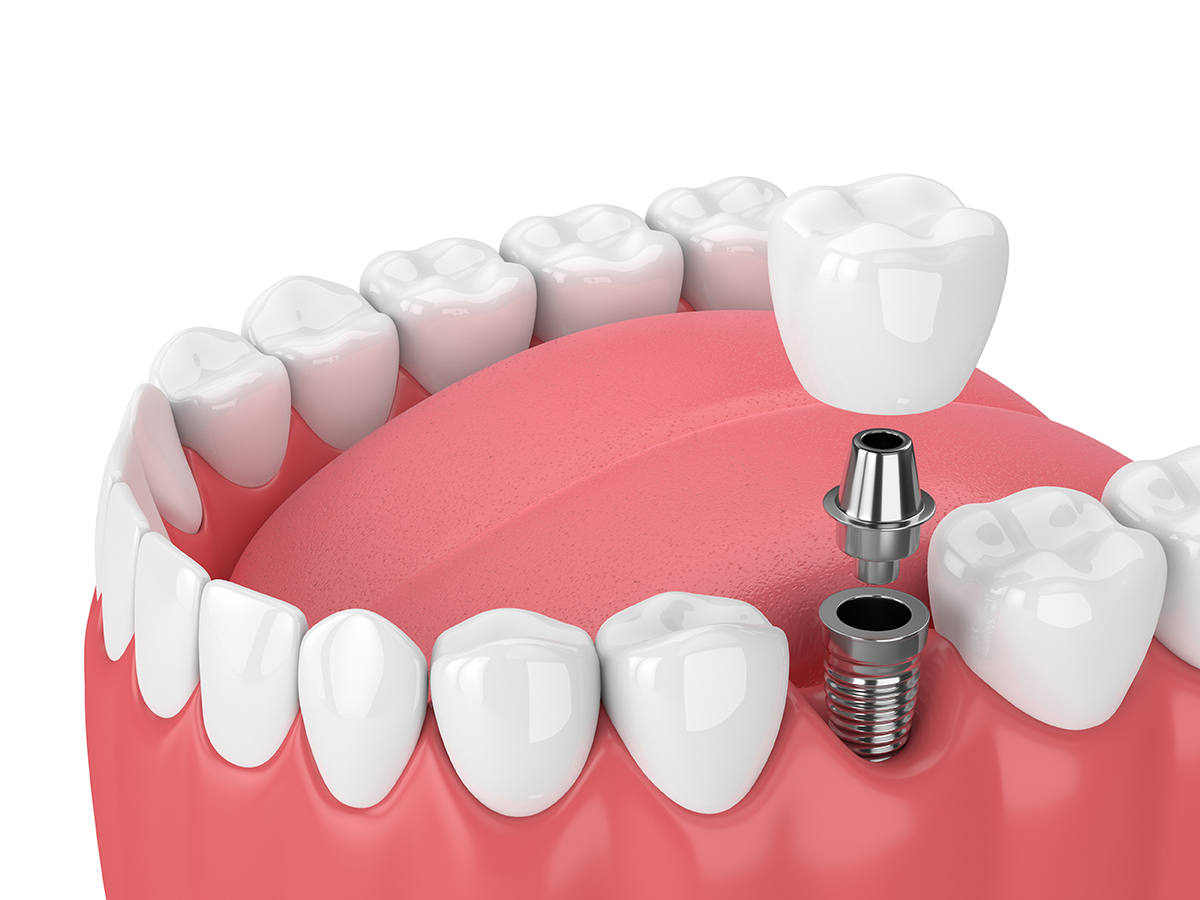
Dental specialists use Dental Implants to replace the missing teeth. It supports the crown that replaces single lost teeth, dental bridges that restore several missing teeth, and even dentures in individuals that have become toothless. However, like your natural teeth, you need to take care of your Dental Implants Houston. Peri-implant disorders, including gum inflammation and damage to the bones and tissues around implants, can cause significant complications and lead to implant loss.
According to Dental Implants Near Me, maintaining proper dental hygiene at home and regularly seeing your dental specialist is critical. Implants often consist of titanium, a metal known to be biocompatible and capable of bonding with neighboring bone during recovery. Zirconia implants, white rather than metallic in color and have similar bone-bonding properties as titanium, have become more prevalent recently and proved as successful as titanium implants.
What are the stages of implant treatment?
Diagnosis and examination
After addressing the options for treatment that seem to be right for you, your dentist or periodontist will perform a thorough medical assessment of your mouth and take x-rays. A CBCT scan of your jaws to evaluate the shape and status of your bone tissue and locate essential structures such as nerves and nasal passages that may be close to the intended implant site.
It enables the dentist to precisely plan the placement of the Houston Dental Implants. Sometimes ordinary X-rays need to use a CGBT scan to provide 3D images if they need to use reconstruction procedures to develop bone before implant placement.
Implant Insertion
Depending on your unique circumstances, they may do implant surgery in one or two stages. In both situations, they make a small incision in the gum to expose the bone, and then special drills are used to form the implant "bed" into which they place the implants. According to Dental Implant Specialist Near Me, long-term tooth loss, denture wear, and bone loss from periodontal disease, aging, or trauma are all possible causes of a lack of bone near the implant site. When teeth are absent, the gums and underlying bone gradually deteriorate.
Preparation of teeth and impression
After completely healing your gums, your dentist will take a new mold or impression of your teeth and mouth (usually four to six weeks). They will use it to create a model of your teeth, which dental technicians will use to build your crown or bridge to match the rest of your teeth as closely as possible.
Fitting of bridges and crowns
Your dental specialist will bond or screw your new crowns and bridges onto the abutments over the dental implants. It ensures that they fit correctly and look nice and that your top and bottom teeth bite together comfortably. You will have to visit your trusted dentist for several review appointments to ensure that your implants are working well.
Conclusion
We hope the above-given information helps you understand some interesting facts and details about dental implants. The article covers the beneficial aspects and stages of dental implant treatment. For further information about dental implants, please check out emergencydentistinhouston.com.
Article Source : https://www.articleslurp.com/what-are-the-beneficial-aspects-of-dental-implants/
-
What Do You Know About Tooth Abscesses?
Jul 16, 2022
According to Emergency Dentist Near Me, a tooth abscess is a pocket of pus caused by a bacterial infection. For various reasons, a spot can develop in multiple areas of the tooth. A periapical abscess forms at the tooth root's tip, whereas a dental abscess develops in the gums at the root's side. Usually, the occurrence of peripheral tooth abscesses is a result of an injury, untreated dental cavity, or prior dental work.
Dentists will treat the tooth abscess by draining it and getting rid of the infection. They'll save your tooth through root canal treatment. But in some severe cases, they need to extract the tooth. Leaving a tooth abscess without proper treatment can lead to serious life-threatening complications.
What are the symptoms of tooth abscesses that we shouldn't ignore?
The dental abscess symptoms and signs that we should not ignore are-
- Sensitivity to cold and hot substances and temperature
- Persistent and severe throbbing toothache can radiate to the neck, jawbone, or ear.
- sensitive sensation to the pressure of biting or chewing
- Swelling in your cheek or face
- Fever
- A sudden rush of foul-tasting and foul-smelling. Salty fluid or liquid in your mouth and pain relief. If the abscess ruptures
- Tender, swollen lymph nodes under your jaw or in your neck
- Difficulty in swallowing or breathing.
Diagnosis of a tooth abscess
In addition to the tooth and surrounding area, your dentist may
- Recommend an X-ray. An X-ray of the painful tooth can help determine whether or not there is an abscess. A dentist Near Me may also use an X-ray to see if the infection is spreading and causing abscesses in other locations.
- Tap on the teeth. An abscess in the base of a tooth is usually sensitive to touch, temperature, or pressure.
- Recommend a CT scan. Dentists may do a CT scan to determine the extent of the illness and if it has migrated to other parts of the neck.
What are the stages of a tooth abscess?
The gum abscess stages that need treatment are-
Stage 1 - Enamel decay
When plaque develops upon the surface of the tooth and gums, an acid is released, which begins to destroy the tooth enamel. As a result, your tooth starts to decay, and a cavity forms.
Stage 2 - Dentin decay
Suppose you don't get Abscess Tooth Treatment for your tooth cavity at this stage. The bacteria may continue to eat their way through the enamel and enter the sublayer.
Stage 3 - Tooth Pulp Infection
The germs can now penetrate the inner tooth pulp after eating through the dentin. It can cause havoc with the tooth's nerves, resulting in their death. When It happens, the body's immune system begins to attack the infection. As a result, pus forms around the decaying roots, resulting in an abscess.
Stage 4 - Tooth loss and more
Discomfort or throbbing pain at this stage usually indicates the presence of a tooth abscess that needs immediate treatment. As a result, you should get treatment before it worsens. However, if you overlook the dental abscess, the tooth abscess can erode more bone, leading to tooth loss.
Conclusion
From the above-given article, we get some valuable information about tooth abscesses. The above article discusses the symptoms, stages, and diagnosis of tooth abscess. For more helpful information regarding tooth abscesses, please visit emergencydentistinhouston.com.
Article Source : https://www.spiceupblogging.com/what-do-you-know-about-tooth-abscesses/
-
Why Would Someone Need A Dental Crown?
Jul 13, 2022
Dental crowns are the tooth-shaped caps that dentists place over your decayed or damaged tooth. You can think of it as a snug hat for your tooth. The crowns restore the tooth's size, shape, appearance, and strength. You may need a Dental Crown Procedure for several reasons, including
- Repairing a severely damaged, worn down, or broken tooth
- Prevent weak teeth from breaking or keeping the weak tooth together if parts of it crack.
- Supporting and covering your tooth with a large filling and not much tooth remaining
- Covering a severely discolored tooth or misshapen teeth.
- Dental Crown Near Me also helps cover a tooth that has undergone root canal treatment.
- Covering a dental implant
- Holding a dental bridge in place.
What do experts make a dental crown?
Dental experts make permanent crowns using many different materials. These materials may include
All-porcelain or All-ceramic
These dental crowns can provide the best natural color match compared to other crowns. According to Emergency Dentistry Near Me, they're also an excellent option if allergic to metals. However, they are not as durable or long-lasting as porcelain-fused-to-metal crowns. They can also wear down the molars on the opposite side of the mouth more than metal or resin crowns. For front teeth, all-ceramic crowns are a great option.
Porcelain-fused-to-metal
It is a kind of dental crown that matches the color of your natural teeth that are next to the crown. However, the metal hidden behind the porcelain cover of the crown occasionally peeks through as a dark line. According to Emergency Dentist, the other drawbacks include the crown-wearing down the teeth opposite it in the mouth and a porcelain piece of the height cracking or sliding off. These types of crowns are best for the back teeth.
Metal
24 Hour Dentist Near Me can use various metals to make dental crowns, including palladium, chromium, and nickel. Metal crowns are the least likely to shatter or chip, last the longest in terms of wear, and need only a slight tooth removal. They're also resistant to biting and chewing. The shiny tint is the biggest and most significant advantage of this sort of a crown. Metal crowns are the best option for molars that is not visible from the outside.
All-resin
Dental crowns consisting of resin are generally less costly than other dental crown types. However, they wear down or fade over time and are less durable than different porcelain-fused-to-metal crowns. They can break easily, so you have to be careful with them. Ask your dental specialist about the crowns that will suit you the most.
Pressed ceramic
These artificial crowns have a hard inner core. Dentists replace the metal liner they use in the all-ceramic crown-making method with pressed ceramic dental crowns. Also, they cap the porcelain crowns with pressed ceramic crowns for the greatest natural color match.
Conclusion
We hope the above-given article helps you learn some valuable and interesting facts about dental crowns. The report highlights the essential factors and details related to dental crowns. It also tells us about dental crowns and their need in dentistry. For further information, please check out emergencydentistinhouston.com.
Article Source : https://www.articleentry.com/why-would-someone-need-a-dental-crown/